Tips for Creating a Cozy and Functional Home Office Space
Creating a home office that balances comfort and functionality is essential, especially as more people work remotely or pursue creative projects from home. A well-designed space can boost your productivity, keep distractions at bay, and make work feel less like a chore. Whether you have a dedicated room or just a corner in your living space, these tips will help you set up a cozy and efficient workspace tailored to your needs.
Choose the Right Location
Selecting the best spot for your home office is the first step in creating an inviting workspace.
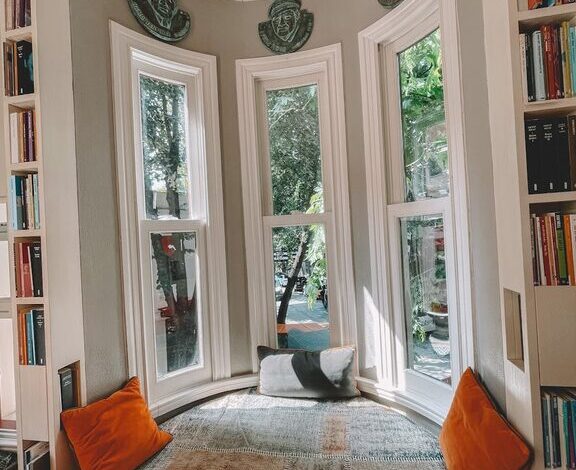
– Natural Light: Try to position your desk near a window to take advantage of natural daylight. It helps reduce eye strain and improves your mood.
– Quiet Area: Pick a part of your home that’s relatively quiet and away from heavy foot traffic to minimize distractions.
– Space Availability: Consider the size of the space. Even a small nook can work if organized properly.
Invest in Comfortable and Functional Furniture
Comfort is key when you spend long hours working. Furniture should support your body and enhance efficiency.
– Ergonomic Chair: Choose an adjustable chair that supports your back well. This can help prevent posture issues over time.
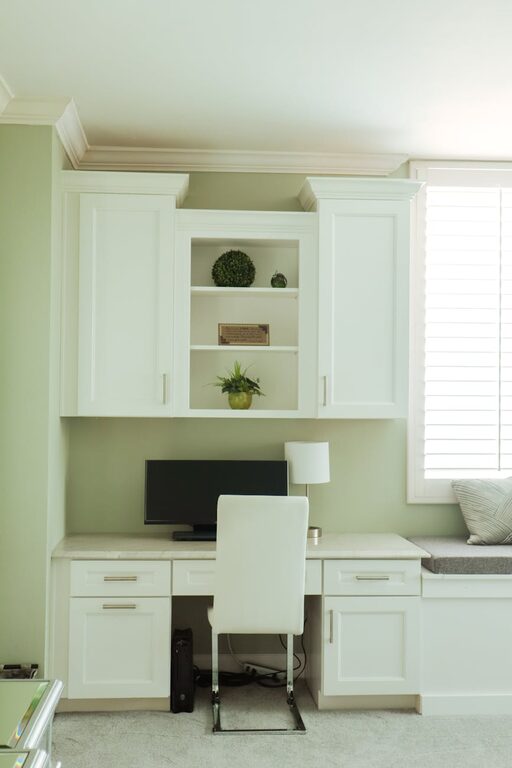
– Appropriate Desk: Opt for a desk with enough surface area for your monitor, keyboard, and additional tools you frequently use.
– Storage Solutions: Desks with drawers or additional shelving can keep essential items within reach but out of sight.
Organize Your Workspace
Clutter can quickly kill creativity and focus. Keeping your area tidy improves both.
– Use Organizers: Desk organizers, pen holders, and file trays help keep small items in order.
– Cable Management: Invest in clips or cable sleeves to keep cords neat and prevent tangling.
– Declutter Regularly: Spend a few minutes each day clearing unnecessary items from your desk to maintain a clean and welcoming space.
Add Cozy Elements
Incorporating comfort helps make your home office inviting and reduces stress.
– Soft Textiles: Add a comfortable rug, a cushion for your chair, or a throw blanket to create warmth.
– Plants: Indoor plants improve air quality and inject a touch of nature, making the space feel more lively.
– Personal Touches: Photos, artwork, or decorative items that inspire you can motivate and make the space truly yours.
Optimize Lighting
Good lighting prevents eye strain and sets the right atmosphere for work.
– Layered Lighting: Combine ambient lighting (like ceiling lights) with task lighting (such as desk lamps) for flexibility.
– Adjustable Lamps: An adjustable desk lamp lets you direct light exactly where you need it.
– Avoid Glare: Position your computer screen to avoid glare from windows or lights.
Technology and Tools
Equip your office with the right technology to stay efficient.
– Reliable Internet: A strong and stable internet connection is crucial for virtual meetings and research.
– Quality Equipment: Keyboards, mice, and monitors that suit your work style can improve your comfort and speed.
– Backup Power: Consider a surge protector or an uninterruptible power supply (UPS) to protect your equipment.
Establish Boundaries
Setting clear boundaries helps maintain a work-life balance.
– Defined Hours: Decide your working hours and stick to them to avoid burnout.
– Visual Dividers: If your office is part of a shared space, use screens or curtains to separate work from leisure.
– Signage: A simple sign can inform others when you are busy, reducing interruptions.
Incorporate Good Acoustics
Noise can be distracting and lower productivity.
– Soundproofing: Use rugs, curtains, or sound-absorbing panels to reduce echo and block external noise.
– Headphones: Noise-canceling headphones can help when working in a noisy household.
Maintain Air Quality
A fresh environment promotes alertness and comfort.
– Ventilation: Ensure your workspace is well ventilated. Open windows when possible.
– Air Purifiers: Consider using an air purifier if your space tends to get stuffy.
Keep It Flexible
A flexible workspace can adapt to different tasks and moods.
– Adjustable Furniture: Standing desks or adjustable tables can vary your posture.
– Multi-functional Spaces: If space is limited, design your office to double as a guest room or hobby area with foldable furniture.
—
Creating a cozy and functional home office is about combining design, comfort, and productivity in a way that works for you. By paying attention to lighting, furniture, organization, and personal touches, you can build a space that feels welcoming while supporting your work goals. With these tips, your home office can become a place where productivity meets comfort every day.